Context
Makapads makes biodegradable sanitary pads from papyrus and recycled paper, manufactured locally in Uganda and sterilised using the sun's UV light. Sold through village shops at a lower price point than corporate competitors, they're designed to be accessible to rural communities — and to keep girls in school year-round by removing menstrual hygiene as a barrier to attendance.
Impacc, the impact accelerator backing Makapads, needed to build a digital scaling platform to help the venture grow. Before any technology decisions could be made, a discovery research phase was needed: what do the people who run Makapads actually experience day-to-day? What are the real friction points, and what does a good system need to do for them?
I led four rapid research sprints across production, quality assurance, administration, and sales — conducting in-person interviews and on-site observation at the production house in Kawempe and across Kampala.
CEO interview
Explored the franchise model and how Makapads envisions scaling — what they would offer franchisees, what quality assurance would look like at arm's length.
Production house visit
Shadowed the full manufacturing process at the Kawempe site. Interviewed the production manager and QA personnel to understand how records, batches, and attendance are currently managed.
Sales team interviews
Individual interviews with the sales team about field reporting, memo writing, fund requests, and the emotional weight of selling a health product with almost no sales tools or data infrastructure.
UX principles & needs mapping
All interview data synthesised into user stories, journey maps, and UX principles to guide technology selection for the Impacc scaling platform.
Research approach
The methodology was built for speed without losing depth. Four sprints over three days, each following the same cycle: plan, observe and interview, document user needs as structured stories, map the end-to-end experience including emotional state, channels used, pain points, and what drives behaviour.
Plan
Research questions scoped per sprint area. COVID restrictions limited some locations; research adapted in-situ.
Observe & interview
In-person contextual interviews and on-site shadowing. Show & Tell in production house to capture tacit knowledge.
User stories
Needs documented as structured stories: As a… / I need to… / So that… — for each service area.
Journey mapping
End-to-end maps per area covering channels, devices, emotional state, pain points, and compelling forces.
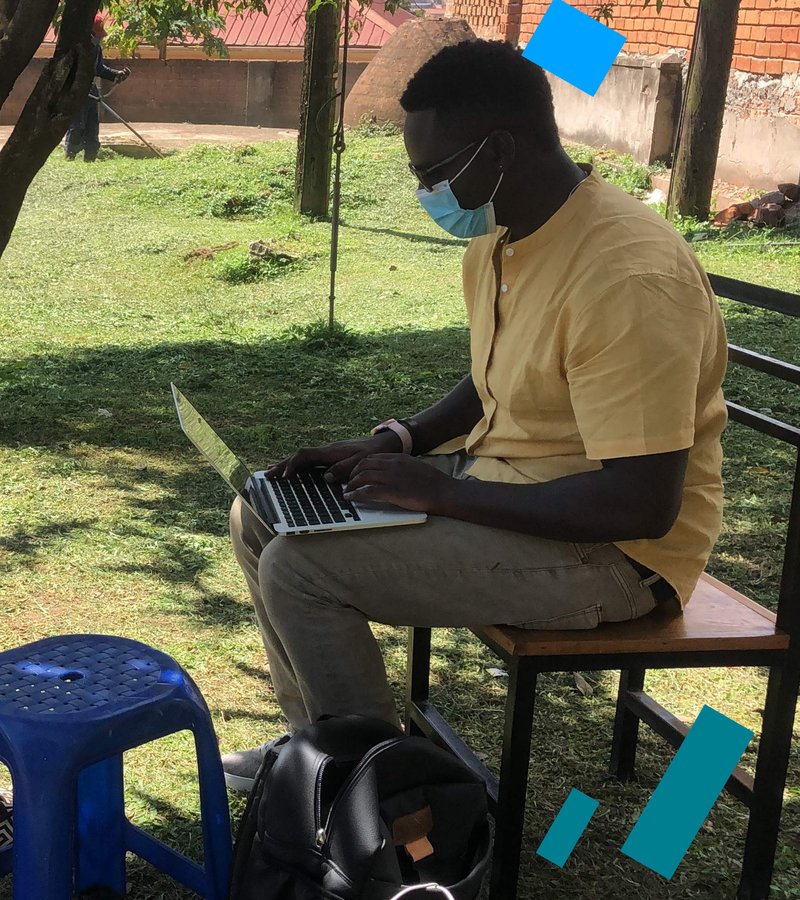
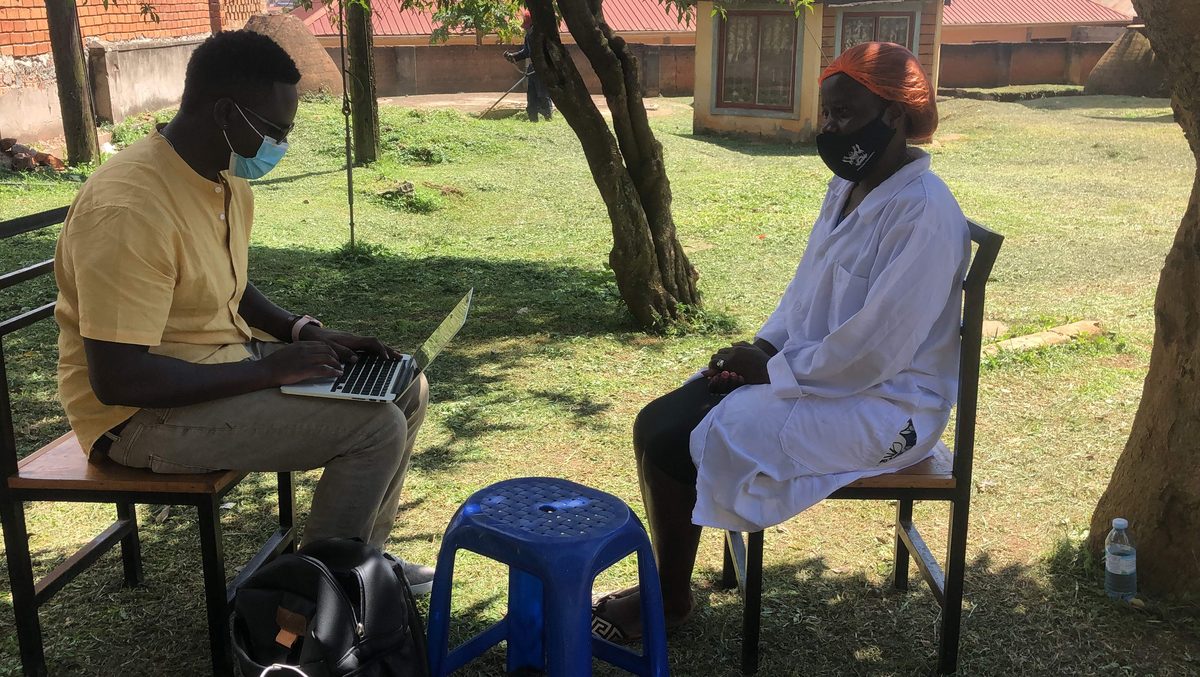
FIG. 01 — In-person interview session, Kampala
Production & quality assurance
The production house visit was the most grounding part of the research. Making Makapads is a hands-on, largely manual process — papyrus is pulped, pressed into sheets, cut, and sun-sterilised before packaging. Workers are paid by output, not by contract, which creates both motivation and precarity.
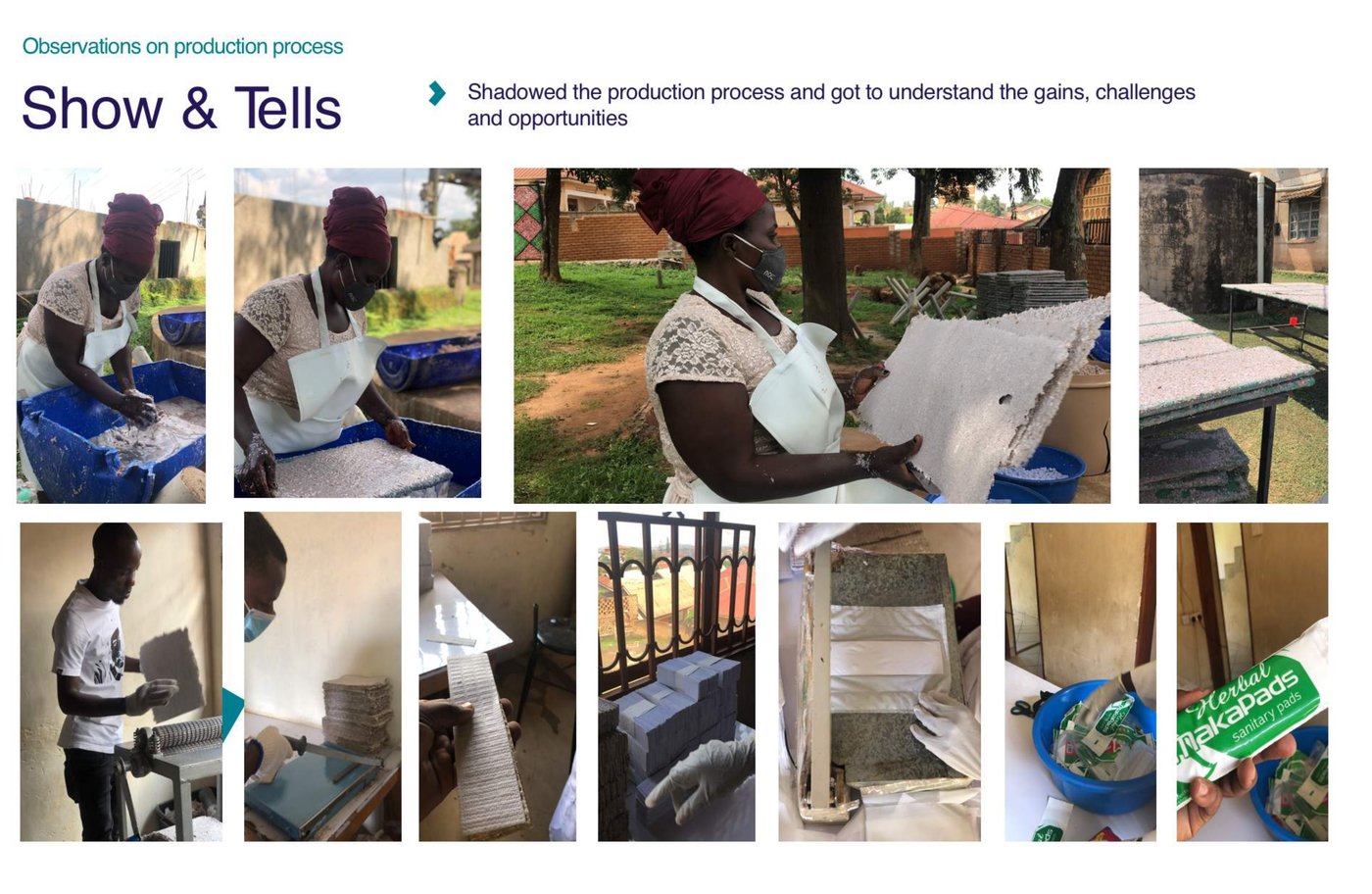
FIG. 02 — Show & Tell: shadowing the full production process, Kawempe production house
The data infrastructure matched the manual nature of the work: nothing was digital. Production demands came through phone calls. Records were kept in notebooks. Batch quality was checked by eye. Attendance was tracked on paper sheets that made it impossible to spot patterns across time.
I would prefer to send all production data via SMS. I don't have to go to Kampala to write a report on a laptop.
I would like to keep all my production records in one place.
Quality checking is a manual process, it consumes a lot of time.
Keeping the attendance sheet is difficult — you can't know if someone is consistently coming late and reaching their goals.
Three needs dominated this area: a single consolidated place for production records, remote reporting without requiring a trip to Kampala, and structured attendance tracking that surfaces patterns over time rather than requiring manual cross-referencing.

Sales
Sales emerged as the most emotionally charged area of the research. The sales team operated with almost no infrastructure: all records in personal notebooks, all field reports written manually and submitted for approval — a process that took up to two days and often resulted in rejection and rewrites because there was no standard template.
The stakes were also personal. A team member's bag was stolen — and with it every customer contact, every sales record, and the list of stores stocking Makapads. There was no backup.
My colleague's bag was stolen by thugs. She lost all her customer contacts and record of sales she had made. She also lost a list of stores who stocked Makapads.
— Sales team member, KampalaI don't like to be asked to re-write a report every time — it's annoying.
There is a challenge in going to the field and convincing retailers to stock a product they've never heard about. What can I offer them?
I need to make sales, not spend all my time writing memos and long documents.
There is no way we know what the CEO wants. We want a template from her own perspective.
The sales reporting cycle had five visible stages — memo drafting, approval, CEO response, field recording, and report writing — each generating friction without a shared template, shared data system, or clear approval SLA. Users wanted to capture sales in the field, not retrospectively at a laptop.
Communication channels
Across all four service areas, I gathered data on how people chose to communicate — and why. The results were consistent: phone dominated, with 60% preference, driven by the need for dynamic, real-time dialogue on tasks that felt urgent, unfamiliar, or emotionally weighty.
The channel choice mapped clearly to task type. When something felt urgent, unfamiliar, or emotionally loaded — a quality issue, a delayed approval, a challenging field encounter — people called. When it felt simple, optional, or familiar, they'd text. Email barely featured.
Trying to explain things in an email or WhatsApp just doesn't work. Sometimes speaking to someone is the only option — but calling tends to be the last resort.
— Administration, Makapads team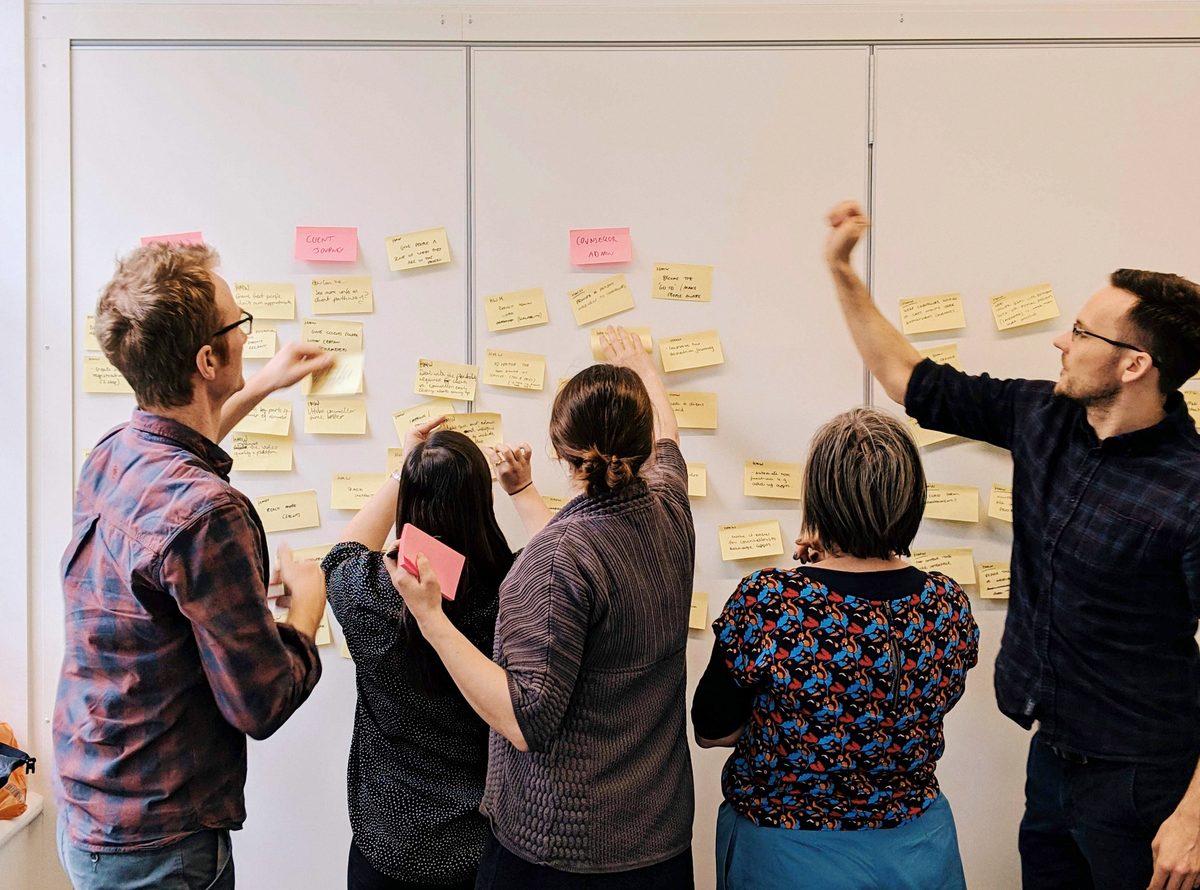
FIG. 03 — Observations: trends and patterns across all research sprints
UX principles for the scaling platform
User needs and the emotional texture of their current experiences translated directly into UX principles to guide the Impacc platform design. The mapping was deliberate: every principle is grounded in something real that came up in the field, not assumed from outside.
- Get a job done without detours
- Structured reporting with clear templates
- Capture, store & retrieve data from the field
- Access training records and guidance
- Urgent — decisions can't wait for a laptop
- Complex — production, QA, sales all interlock
- Unfamiliar — no digital precedent to build on
- Emotional — health product, personal mission
- Ease, speed & responsiveness
- Self-service & 24/7 accessibility
- Proactivity, information & alerts
- Trust, reassurance & accountability
Franchise model insights
A key research question for the CEO interview was how Makapads imagines its franchise model — the mechanism for scaling beyond Kampala without the parent organisation bearing all operational risk. The vision was clear: a full replica of the current operation (factory, office, sales team, system) in a new geography, operating independently but aligned to the Makapads mission and quality standard.
Revenue through production
Franchisees need to make products, not just sell them — selling alone won't sustain interest. Revenue comes from production profit: understanding costs and balancing them against output.
Training-first onboarding
Production training, sales team training, equipment, market research, product knowledge, legal/tax guidance, and an operations manual covering HR, sales strategy, and QA — all before the franchisee opens.
QA manager + training
Quality is maintained through a dedicated quality assurance manager role and ongoing training — not through centralised production, which defeats the purpose of local manufacturing.
Beyond selling pads
Franchisees must share the mission — menstrual health management and keeping girls in school. Interest in only selling the product is a disqualifying signal for the CEO.
Outcome
The four research sprints produced a grounded discovery report covering all service areas of the Makapads operation — the first time the team's actual day-to-day experience had been documented in structured form. The findings fed directly into the Impacc platform design process, giving the product team a clear set of UX principles, user needs, and high-priority pain points to address.
The research also surfaced a critical risk the team hadn't articulated clearly: the complete absence of data redundancy. All records — sales, customers, production batches, training history — lived in personal notebooks or phone memories. The stolen-bag incident was a near-miss that exposed a systemic vulnerability, and it became the most compelling argument for moving to a structured digital system as a first priority.
- User stories across 4 service areas
- End-to-end journey maps per area
- Channel preference analysis
- Communication drivers framework
- UX principles for the scaling platform
- Franchise model readiness assessment
- Mobile-first, phone-call-parity reporting
- Standardised sales memo templates
- Field-first data capture (no laptop required)
- Single source of truth for production records
- Attendance tracking with pattern visibility
- First structured articulation of user needs for Impacc platform
- Digital data redundancy elevated to priority 1
- Sales reporting redesigned around field-capture, not retrospective writing
- Franchise support offer clarified around training-first model