Define & Plan
The Noah Stove is a TLUD (top-lit updraft) micro-gasifier cookstove designed by Marius Bierig of PRO LEHM specifically for Ethiopian cooking culture, using materials that are cheap and easy to obtain locally: clay, teff straw, sand and/or cement, and reused cans. Beyond clean cooking, the stove is designed to produce biochar as a useful byproduct — a compost and soil amendment for farmers.
Before this stove could scale, impacc needed to understand whether it could actually be produced by a local maker with locally available materials and tools — not just whether it worked as a cooking device. This made the research a discovery-phase study centered on production, not on the cooking experience itself.
Map the current experience
Identify and explore the current experience of a producer trying to make the stove with what's locally available.
Interviews & visits
Use interviews and on-site visits to explore relevant aspects of the producer's work and constraints.
A detailed experience map
Document current experience, describe the type(s) of user involved, and define a set of needs to act on.
Shared understanding from day one
Getting the wider team talking to users from the start of discovery builds shared understanding of the real problem.
Research Approach
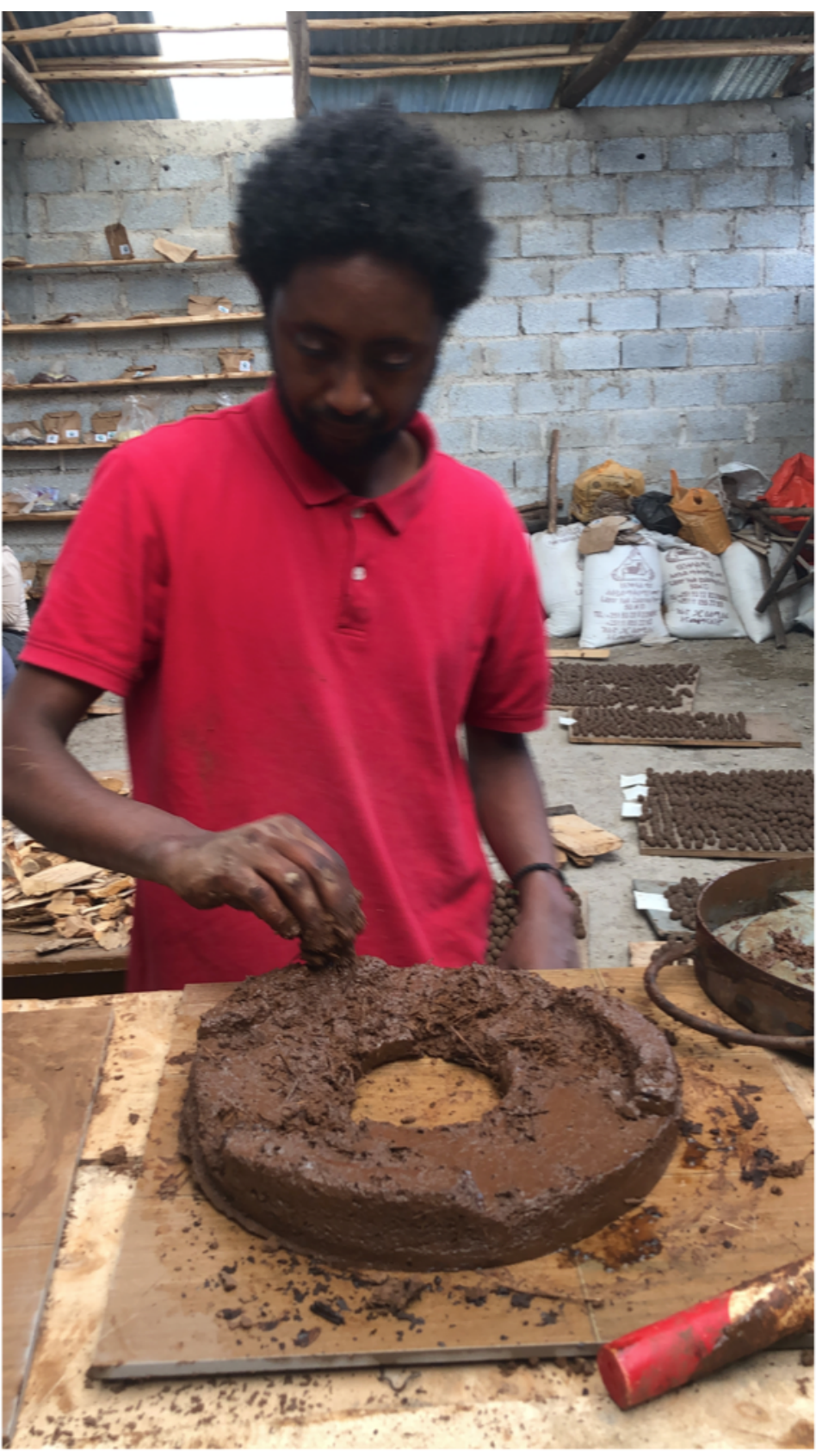
Given the production-first nature of the question, the methodology combined direct observation with informal qualitative interviewing — shadowing the maker through his existing process rather than asking him to describe it after the fact, since so much of the relevant knowledge here is tacit and only visible in the doing.
Shadow production
Observed the full build process at Danny's production house in Welkite to surface gains, challenges, and opportunities.
Show & tell
Had the producer walk through and demonstrate each stage — molding, drying, testing — in his own words.
Material testing
Compared different soil and clay mixes on-site to see how each affected the final stove body.
Distribution scouting
Visited local shops that could plausibly distribute the finished stove, to understand the retail side of the picture.
Fieldwork: Show & Tell
The team went to Danny's production house in Welkite and shadowed his existing process end-to-end. The same visit also covered the retail side: walking through shops that could plausibly distribute the finished Noah stove once production was reliable.
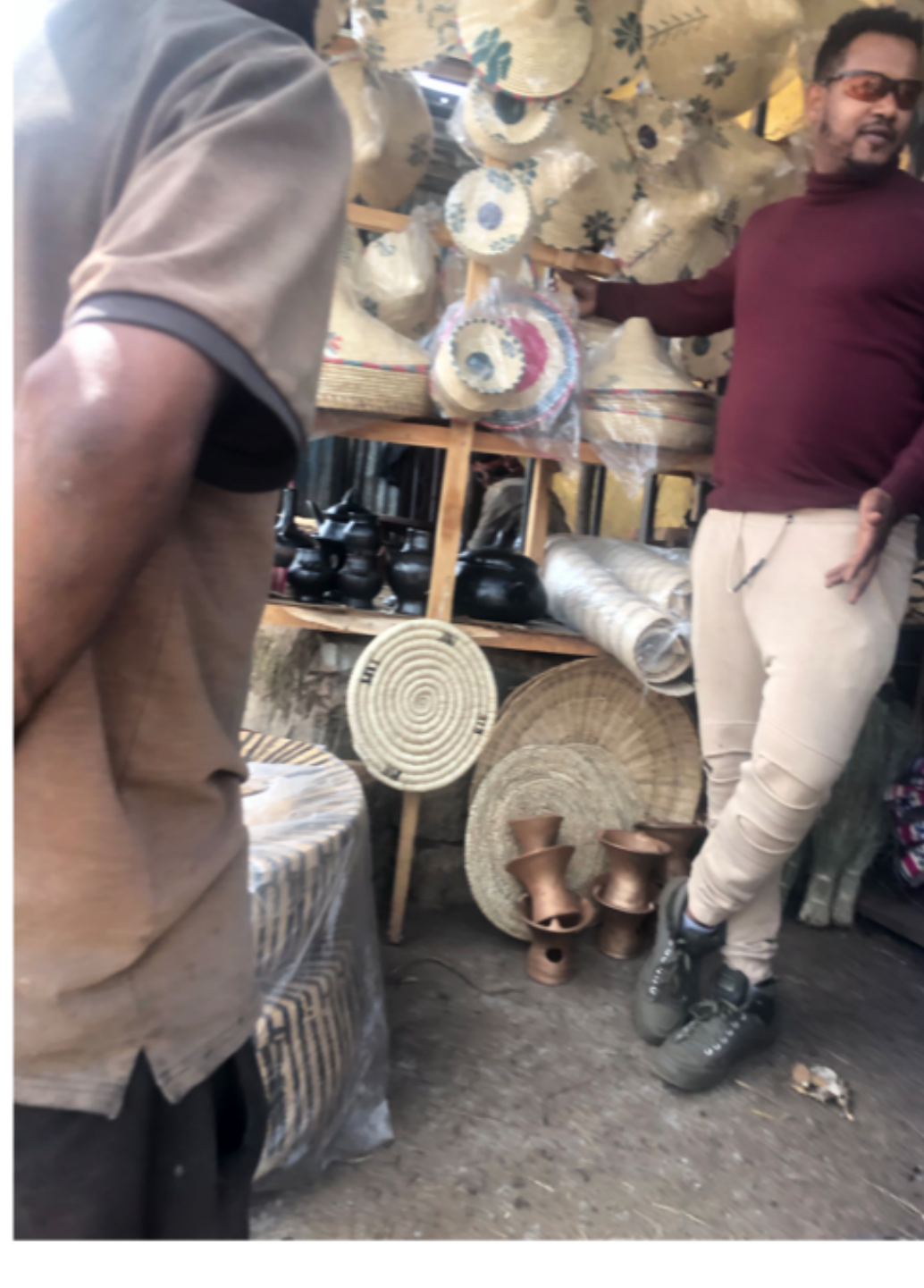
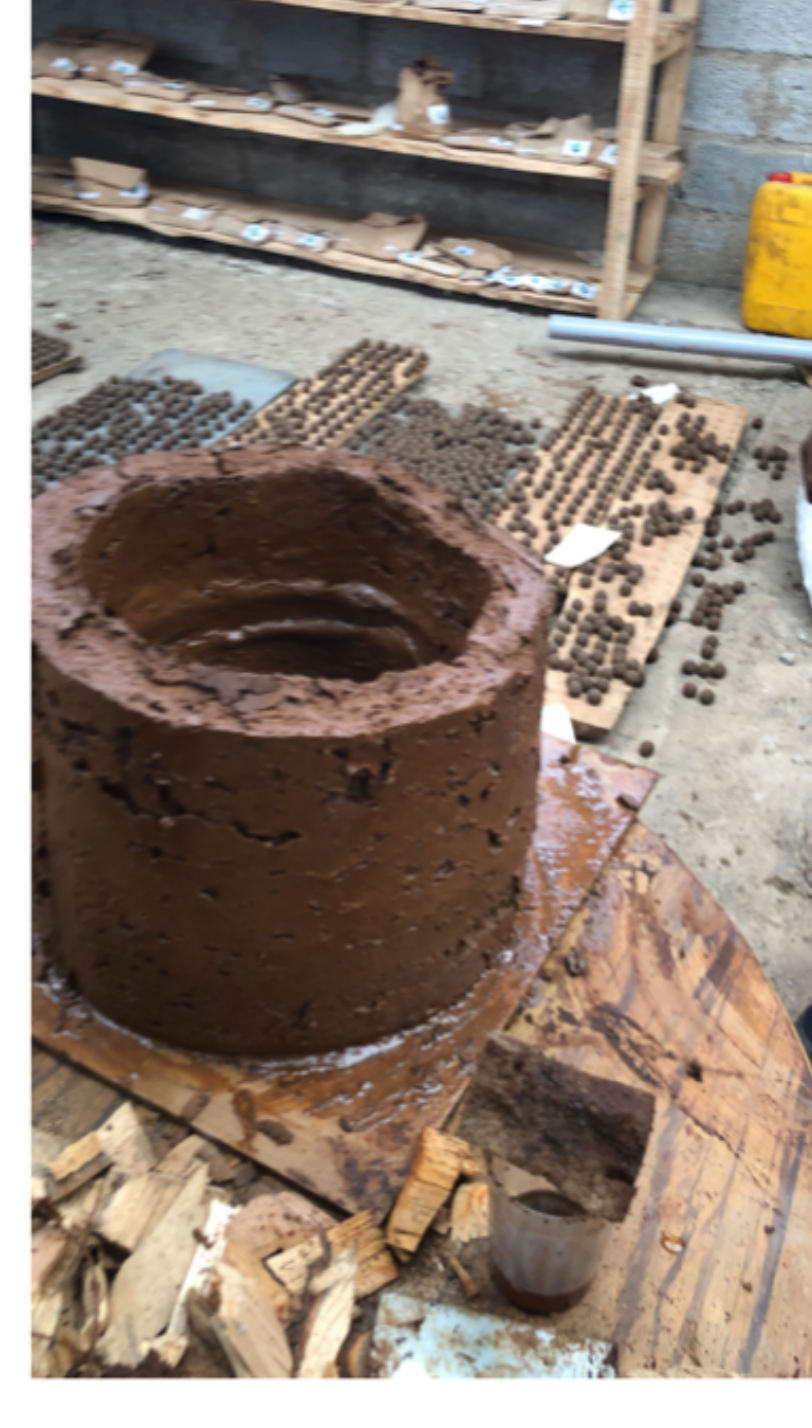
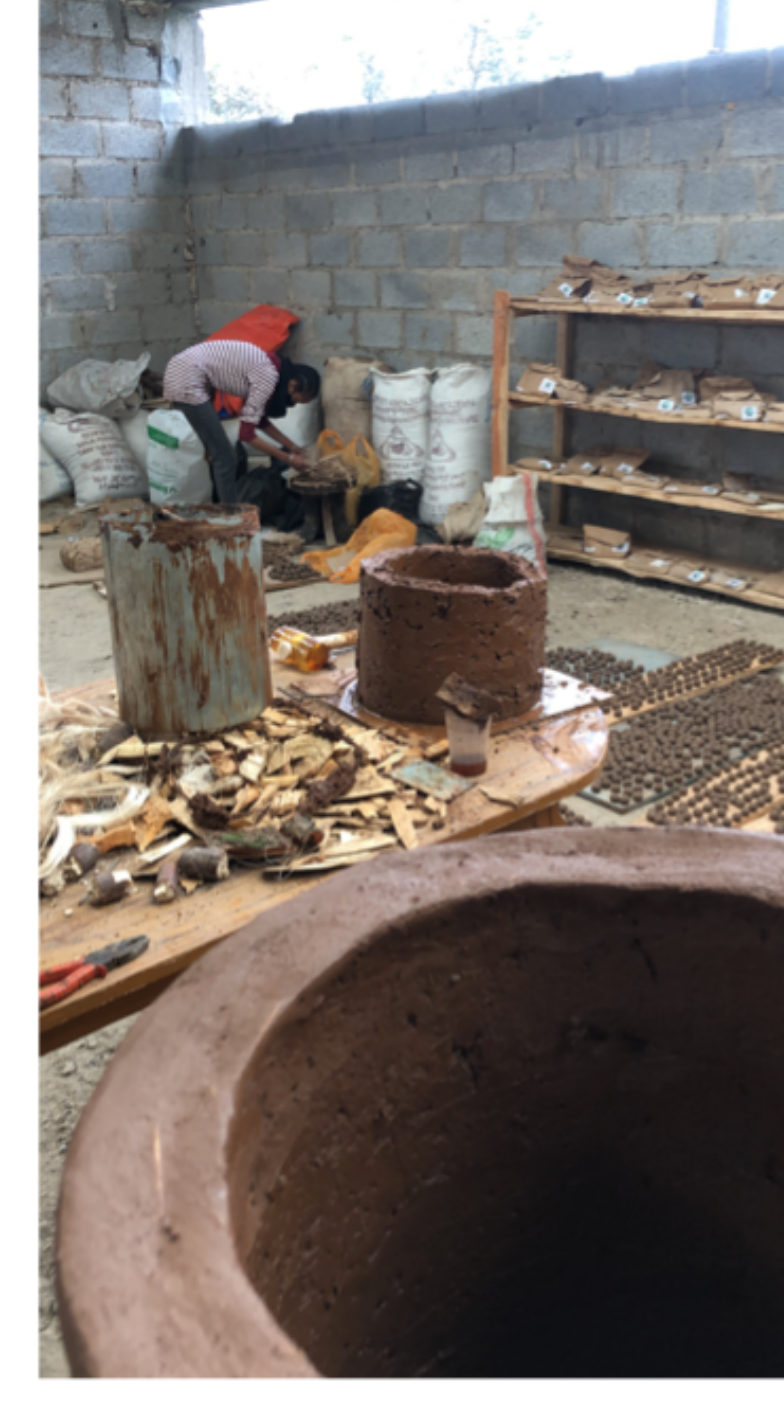
FIG. 01 — Shadowing the existing process: a candidate distribution shop, and stove bodies drying in the production shed
Watching the process directly — rather than asking about it — surfaced something an interview alone would have missed: the gap between what the design assumed was "readily available" and what the producer actually had on hand.
Material Testing
A central open question was which soil type would work best for the stove body. The team tested different soil and clay combinations on site, comparing texture and composition by hand before committing to a mix.
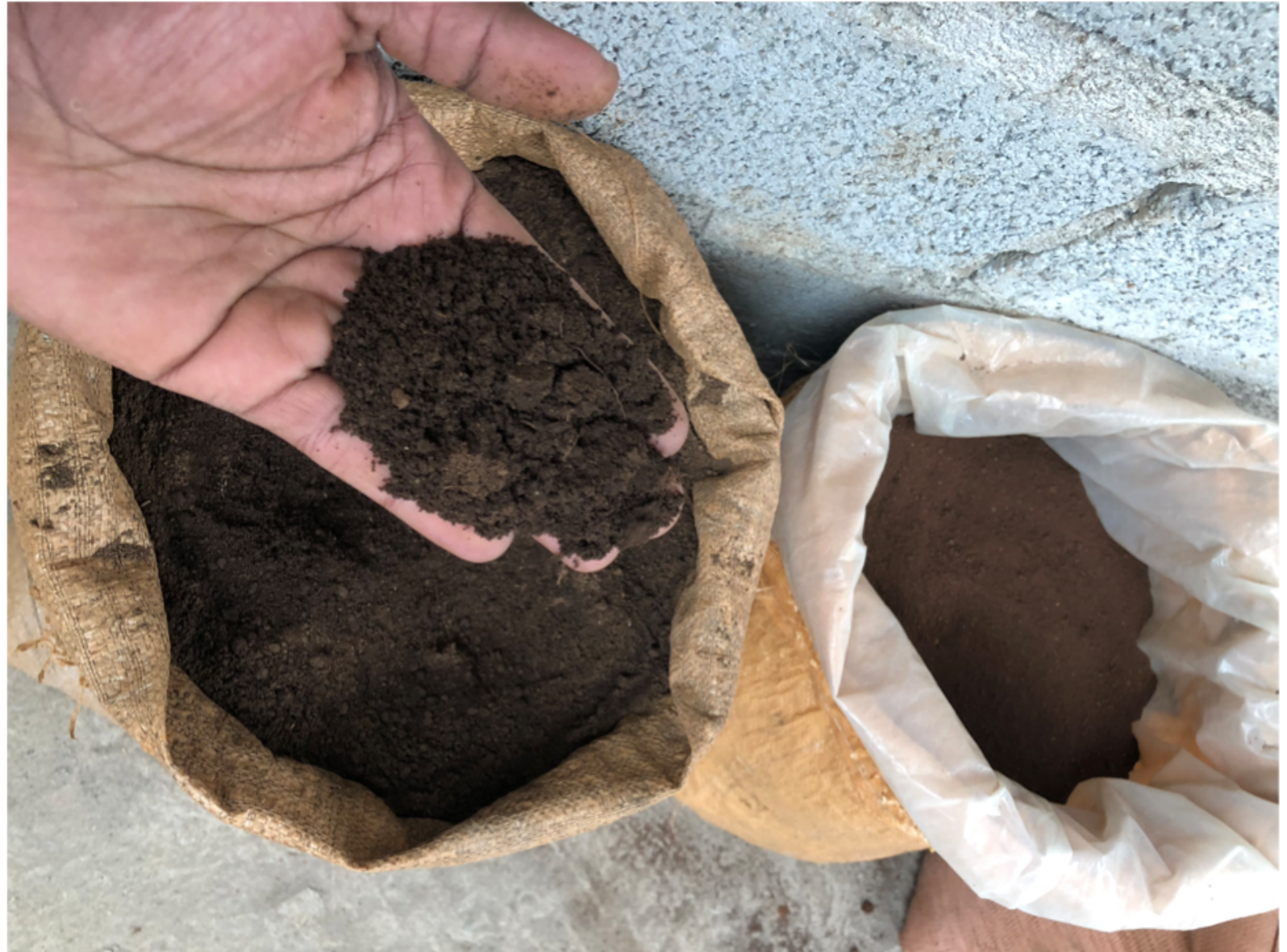
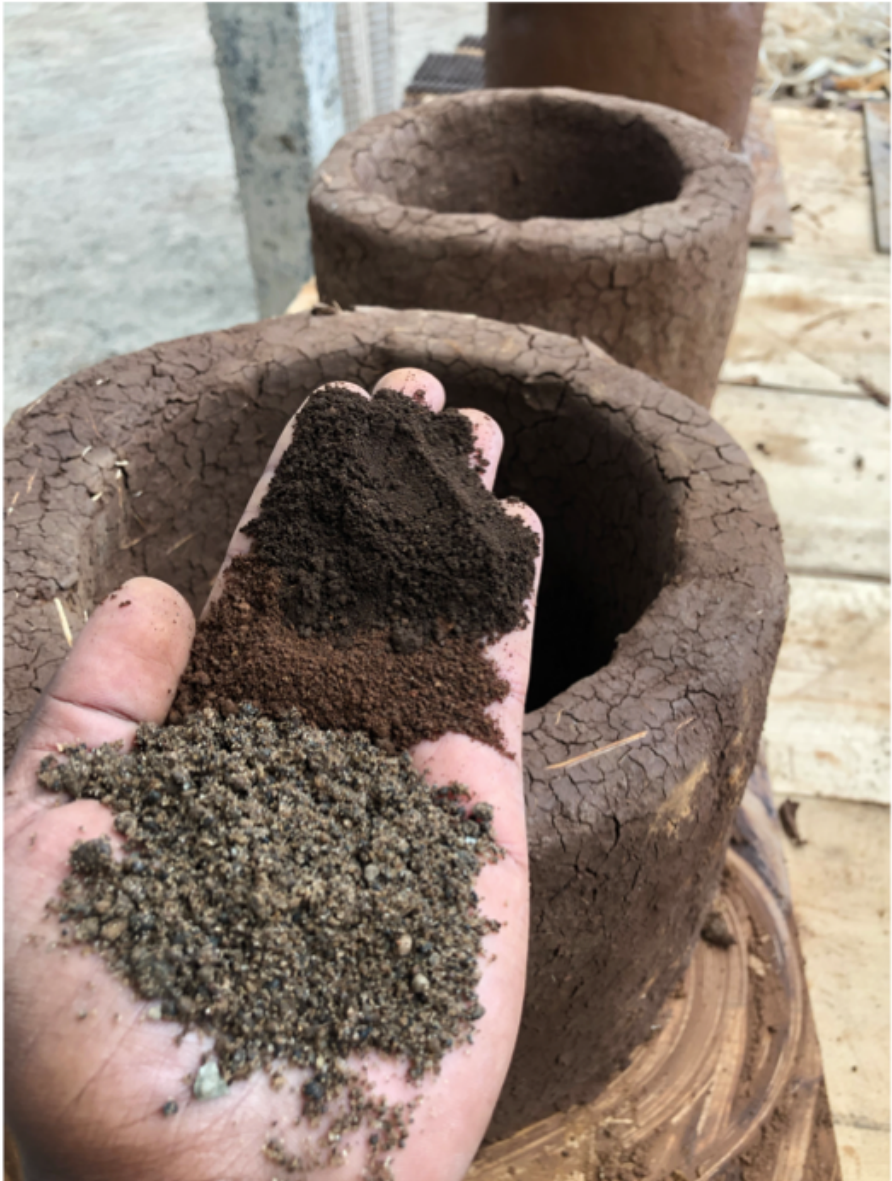
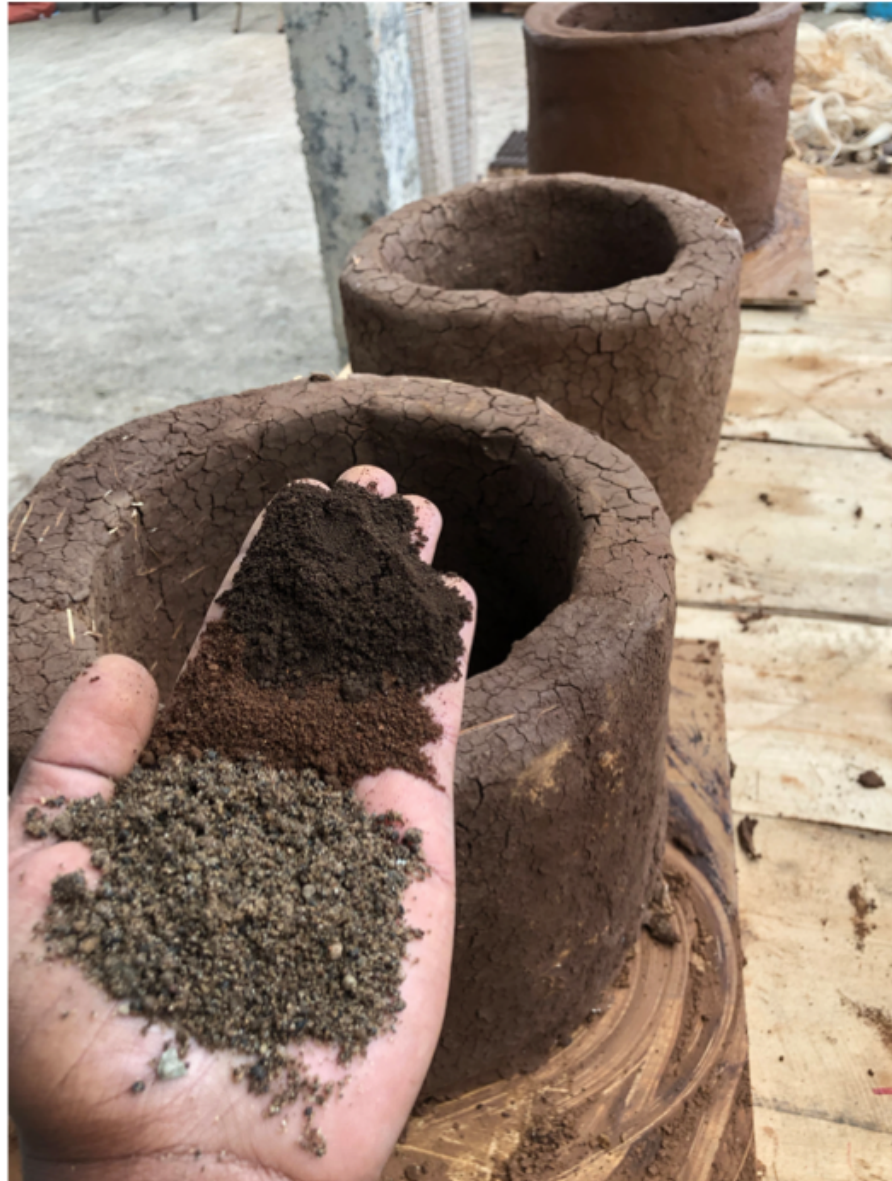
FIG. 02 — Comparing soil types by hand: layering clay-rich soil over sand to test which combination held its shape
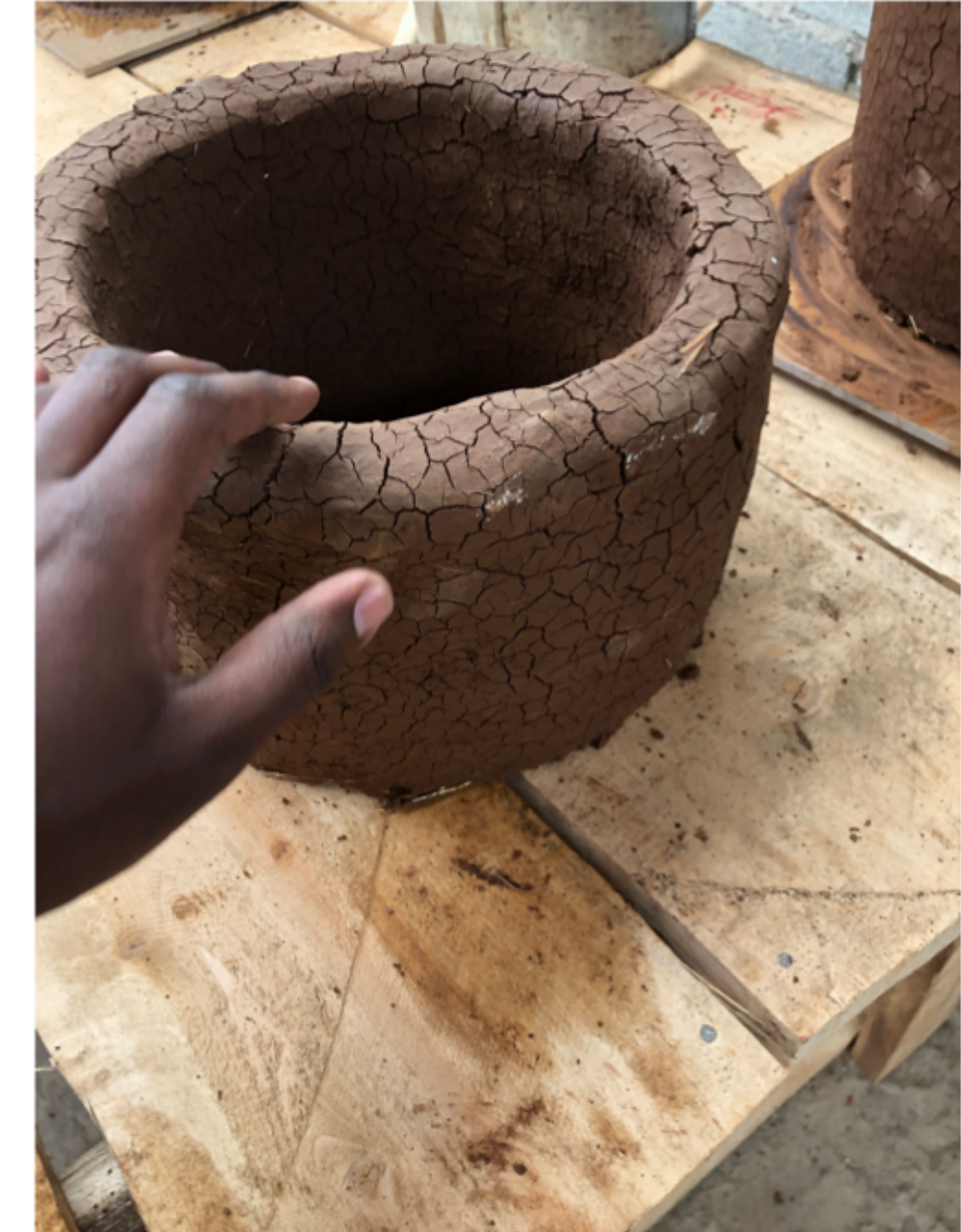
FIG. 03 — A test stove body, already showing the fine surface cracking that different soil mixes were meant to reduce
Tooling & Workarounds
The design assumed a mold would be available to standardize the stove's shape, and that suitably-sized wood chunks would be easy to source. Neither held up in the field: no mold existed locally, so Danny and his team improvised one themselves out of sheet metal and wood; wood chunks weren't sold pre-cut, so the team had to supply samples and have them custom cut to the size the stove's gasifier needed.
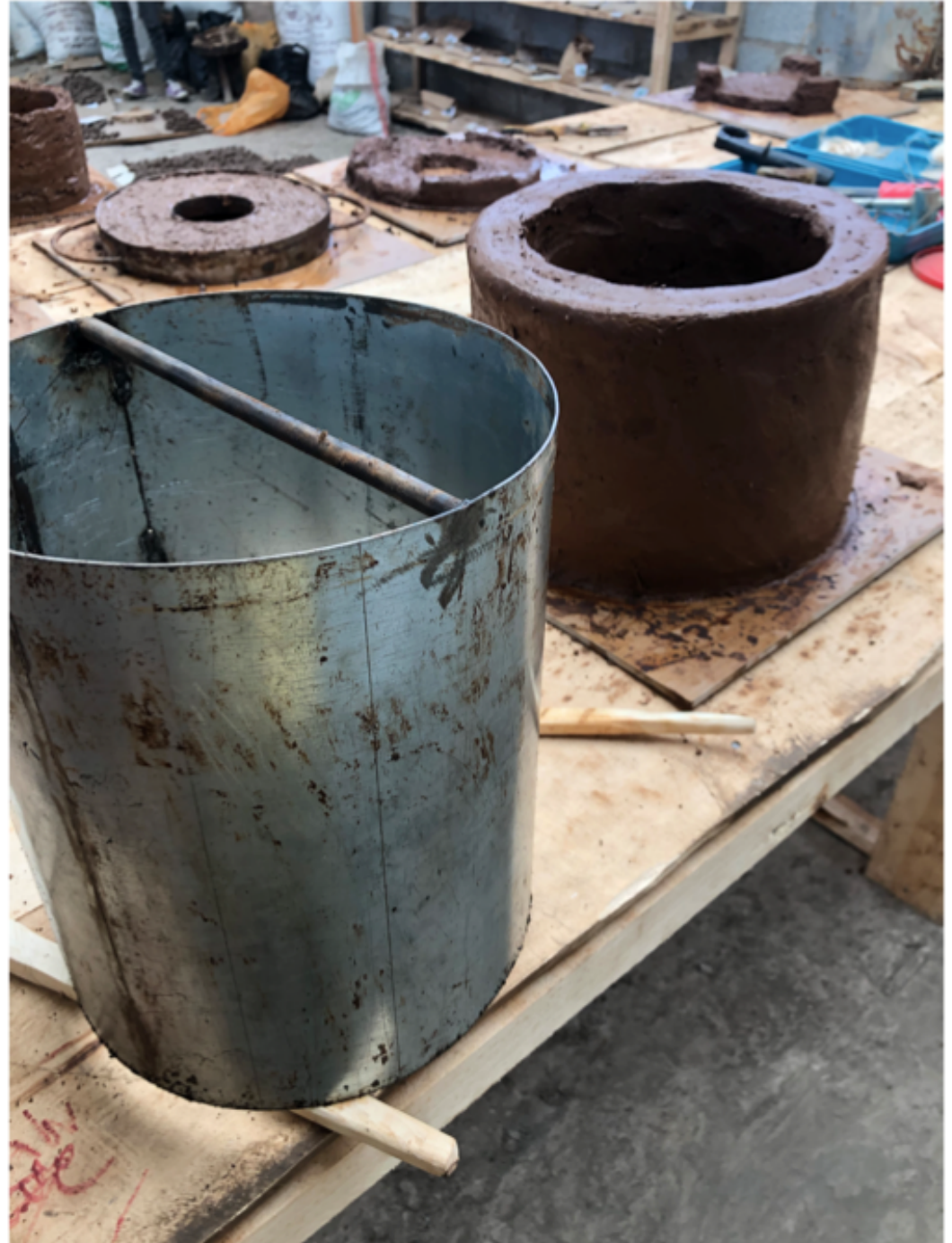
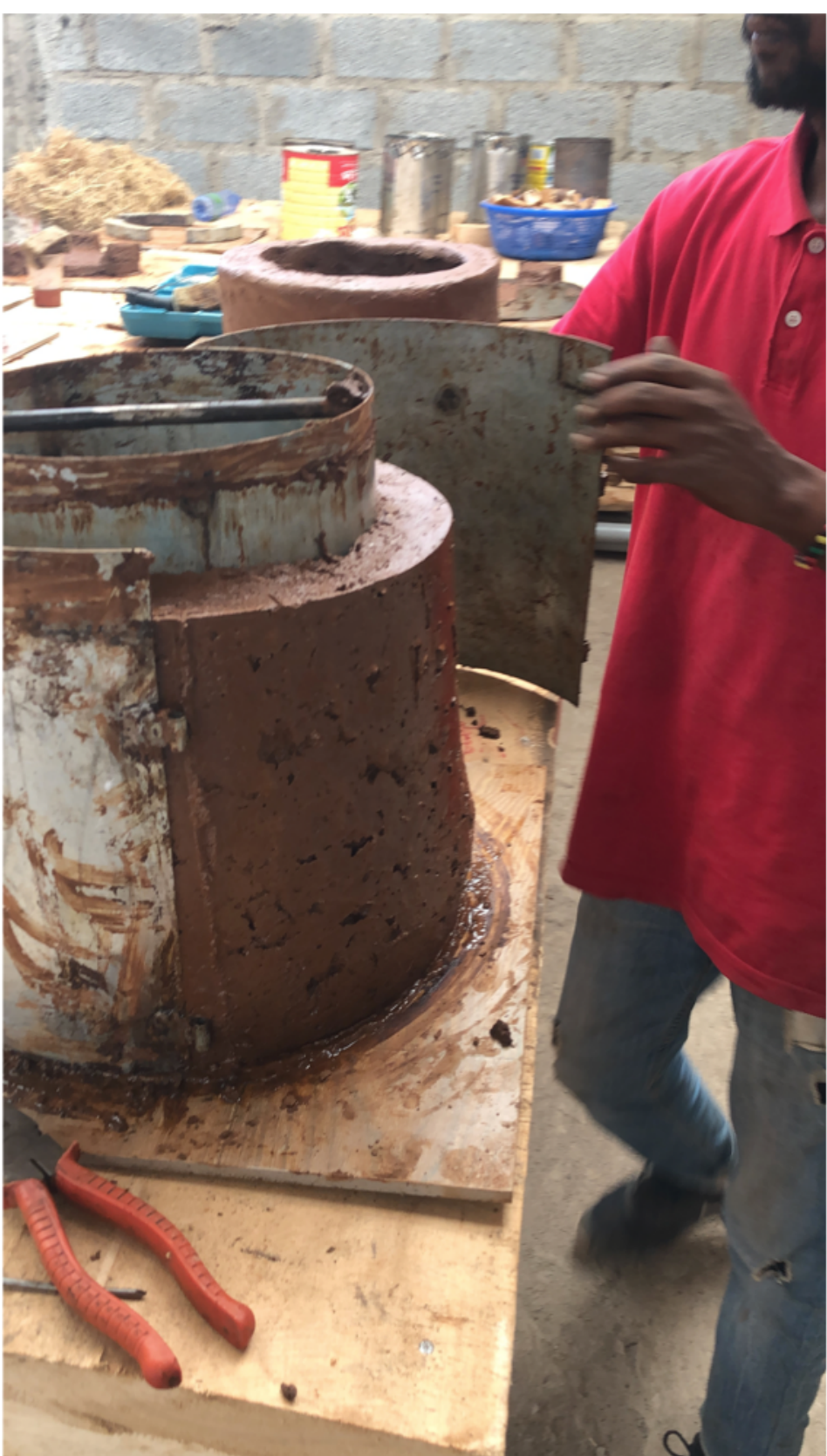
FIG. 04 — An improvised metal mold, built by the production team because no standard mold was available to buy
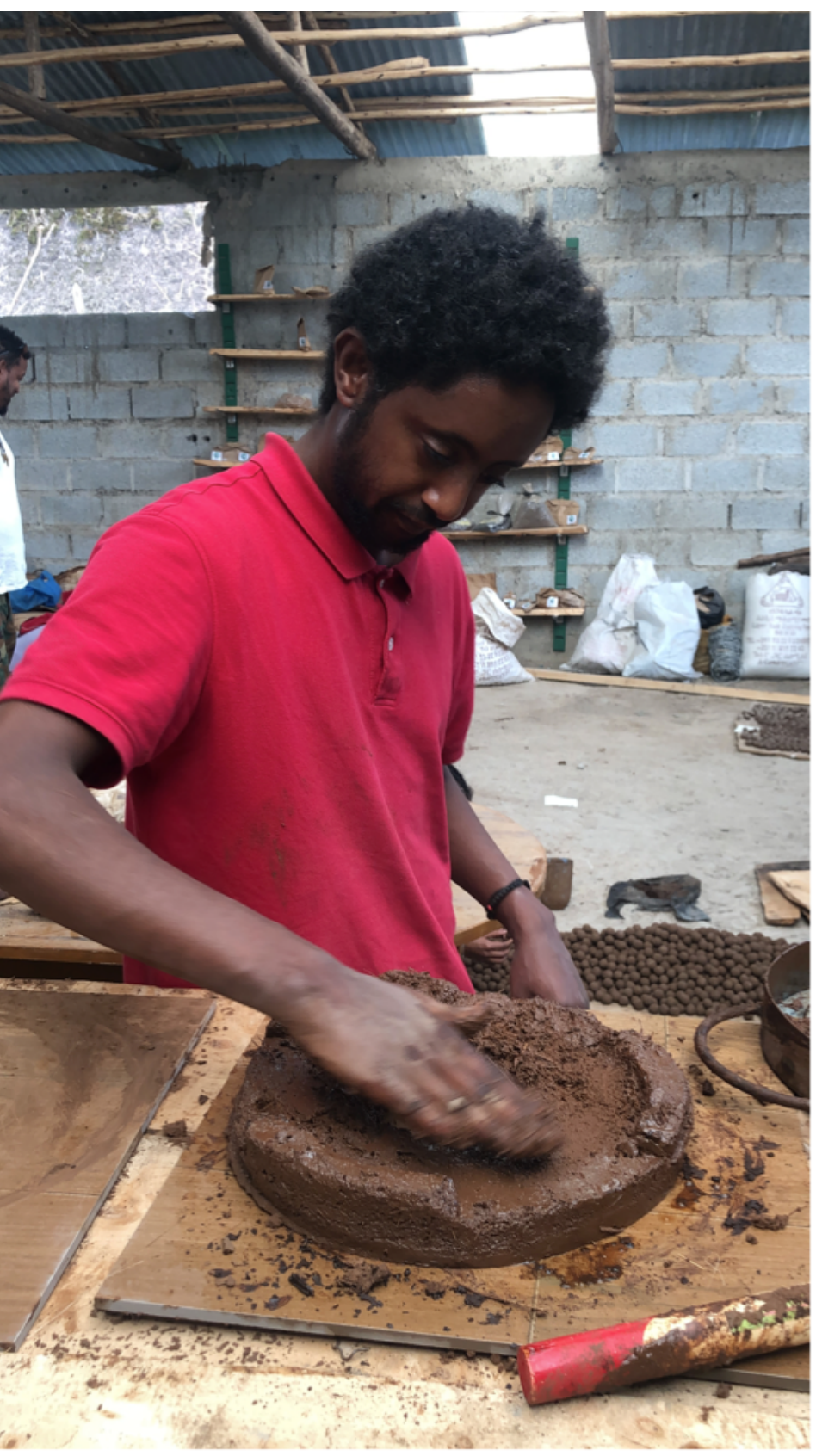
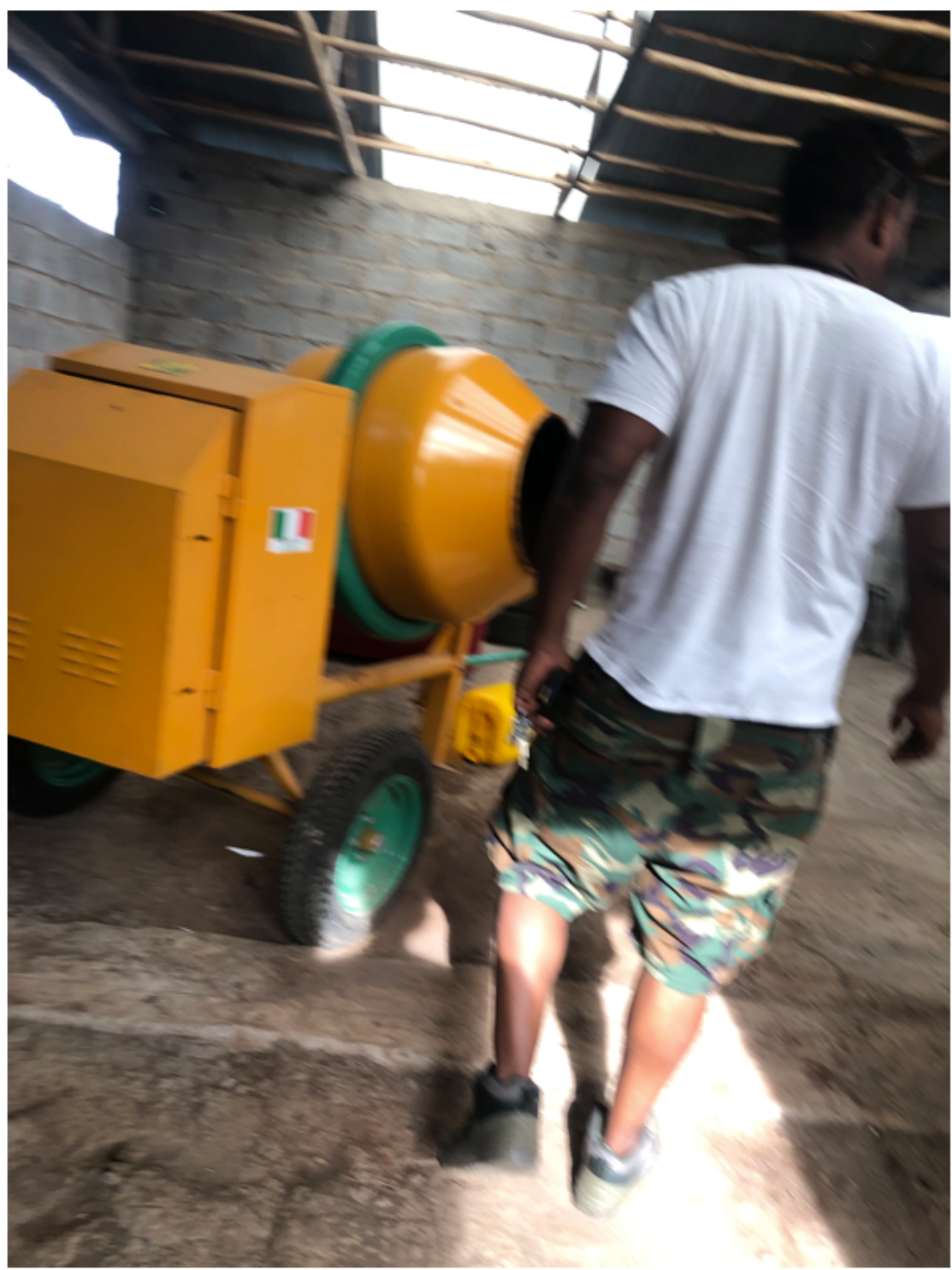
FIG. 05 — Hand-shaping the base in the improvised mold, and a small mixer brought in to prepare the clay mix at volume
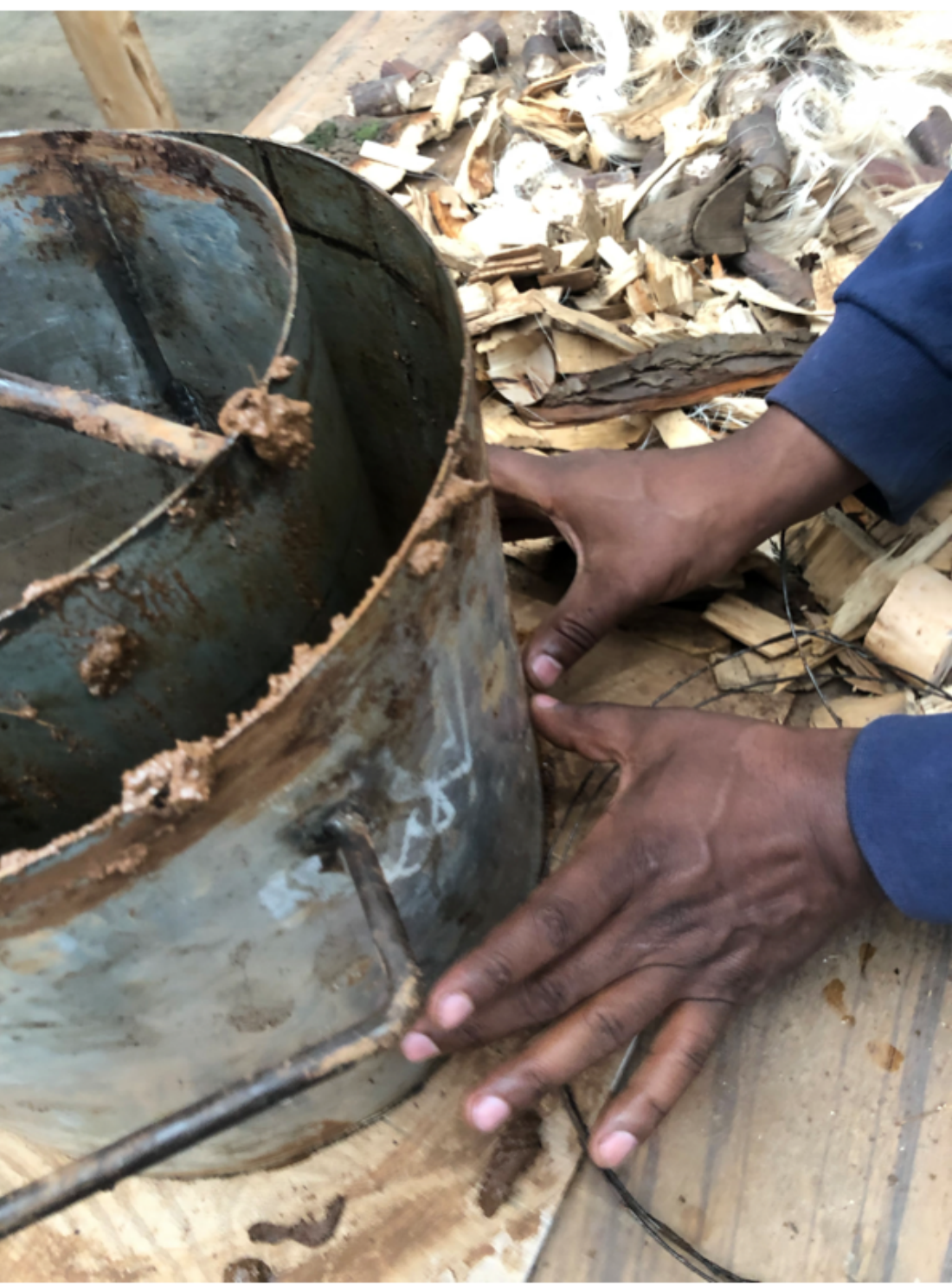
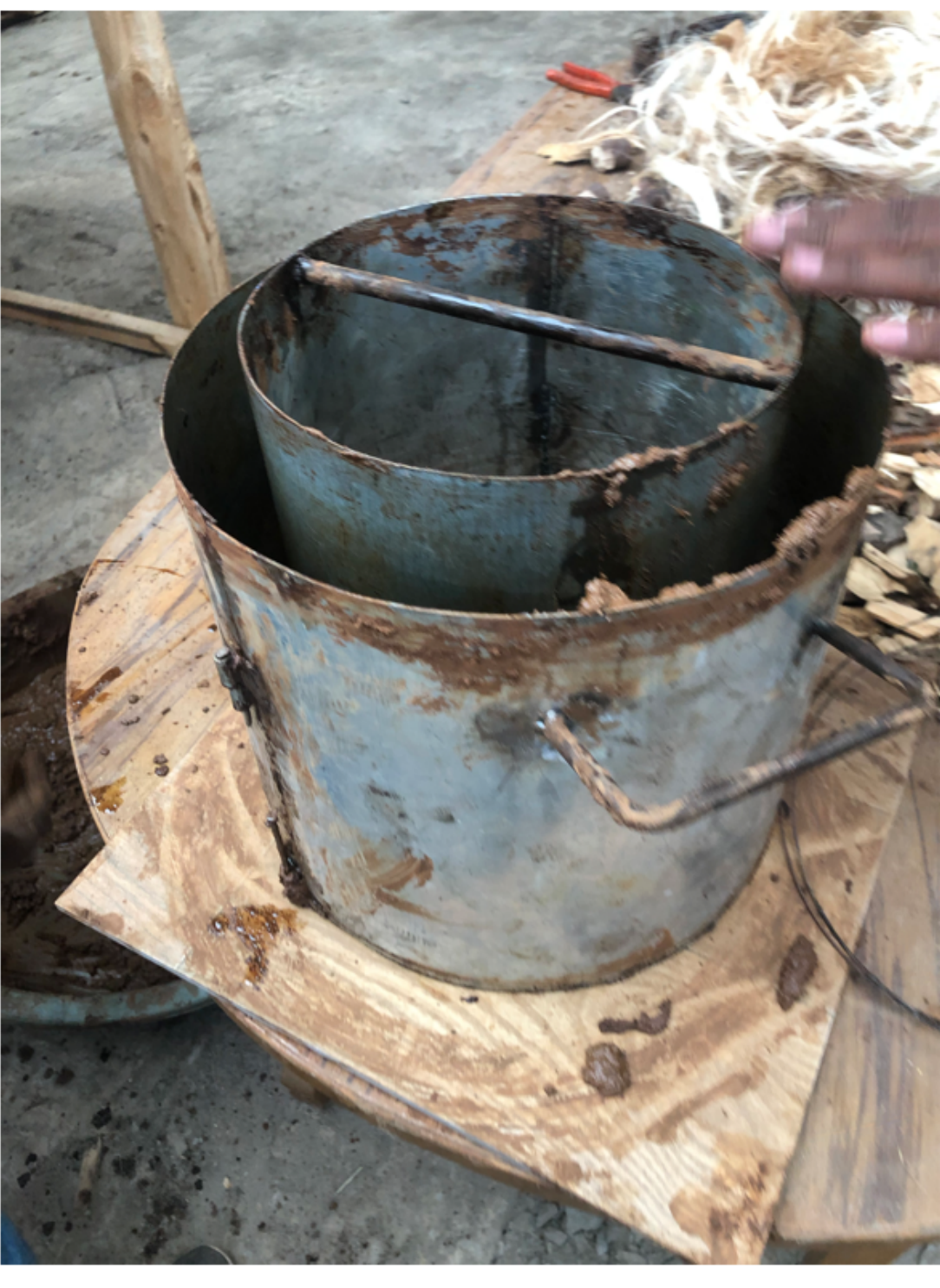
FIG. 06 — Second-hand cans, repurposed and reshaped into the liner for the stove's gasifier chamber
Failure Modes
Not every test held together. One stove body cracked cleanly through the base during drying — a visible, physical demonstration of why getting the soil mix right mattered so much, and why testing it on-site before committing to a production recipe was worth the time.
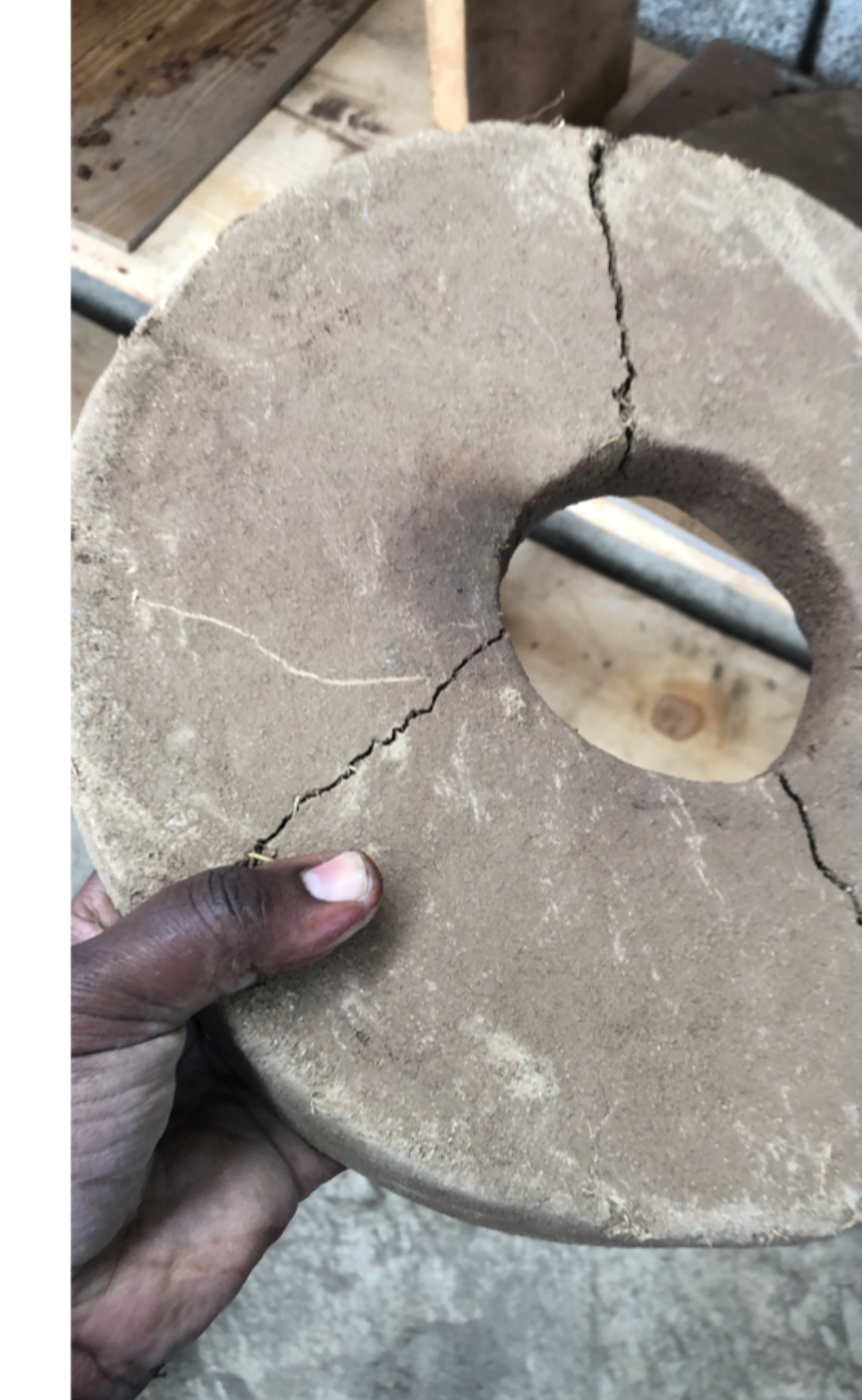
FIG. 07 — A cracked stove component, held up by the producer — a recurring failure mode tied to soil composition and drying time
Show, don't just tell: watching where the design's assumptions broke down — the missing mold, the wrong wood size, the cracked base — told us more in a single visit than a description of the process ever could have.
— Field notes, production house visit, WelkiteSynthesis: Key Needs
Pulling the observations together, the production-side need wasn't really about the stove's design at all — it was about everything surrounding it: the tooling, materials, and skills required to make it consistently, and the commercial skills required to sell it once made.
Two of these five needs — the mold and wood processing — are tooling and supply-chain gaps that no amount of producer skill can fully compensate for; the other three are capability gaps that training could close directly. That split mattered for what impacc could realistically act on first.
Outcome & Next Steps
This discovery-phase visit reframed the Noah Stove's open question from "does the design work" to "can this be made repeatedly, by a single small producer, without us supplying a mold and pre-cut wood every time." That's a substantially more actionable question, and one that points directly at the next phase of work: standardizing a mold, simplifying or sourcing the wood-cutting step, and building a short production and sales training package rather than redesigning the stove itself.
- No mold available locally — team improvised one
- Wood chunks not sold pre-cut to the needed size
- Soil/clay mix directly affects cracking and durability
- Second-hand cans successfully reused for the liner
- Treat the mold as a product to design, not assume
- Pre-test soil mixes per region before scaling production
- Separate "can produce" from "can sell" as distinct needs
- Build training around observed failure points, not theory
- Design and fabricate a standard, reusable mold
- Source or pre-cut wood chunks at the right specification
- Pilot a short production training course
- Pair with basic sales/marketing training for distribution